
Exercise for Older Adults: Reducing Falls Risk

As we get older, staying active becomes one of the most important tools for maintaining independence, reducing injury risk, and staying healthy. One of the biggest concerns for older adults is falls- a leading cause of injury, hospitalisation and death. A simple fall can have serious consequences, including hip fractures, long hospital stays, and long-term […]
Shoulder Pain During Bench Press? Try Engaging Your Back
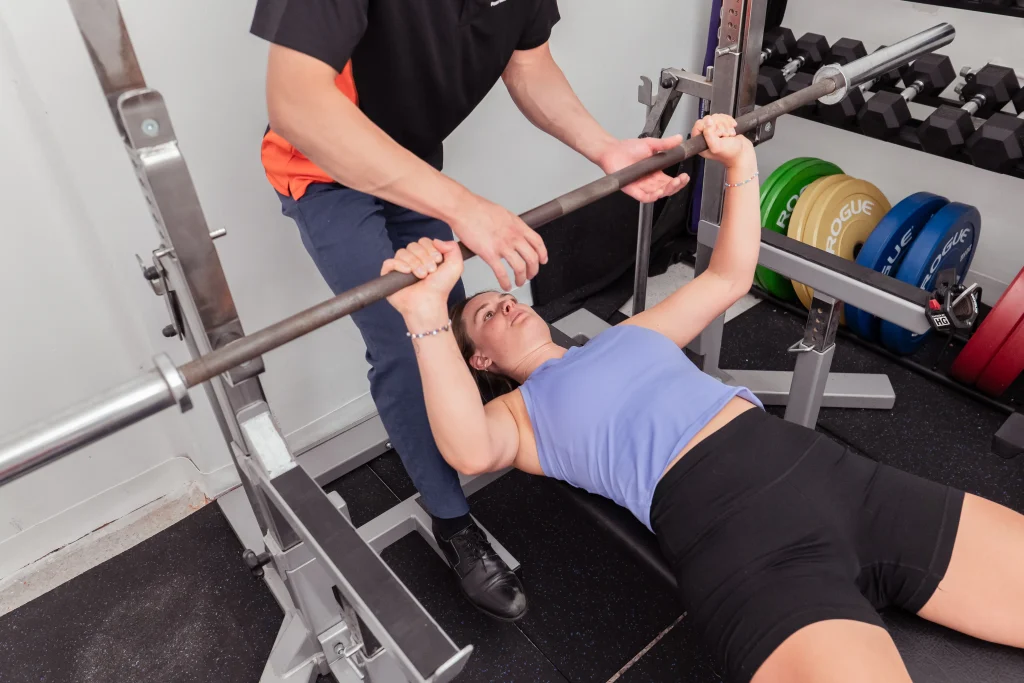
When most people think about the bench press, they think it’s all chest and arms. But your back plays a key role too. Using your back properly helps you lift safely and more effectively. Why Engage Your Back Your back muscles — especially the lats, traps, and rhomboids — help stabilise your shoulder blades. That […]
How Understanding Pelvic Positioning Can TransformYour Exercise and Rehab
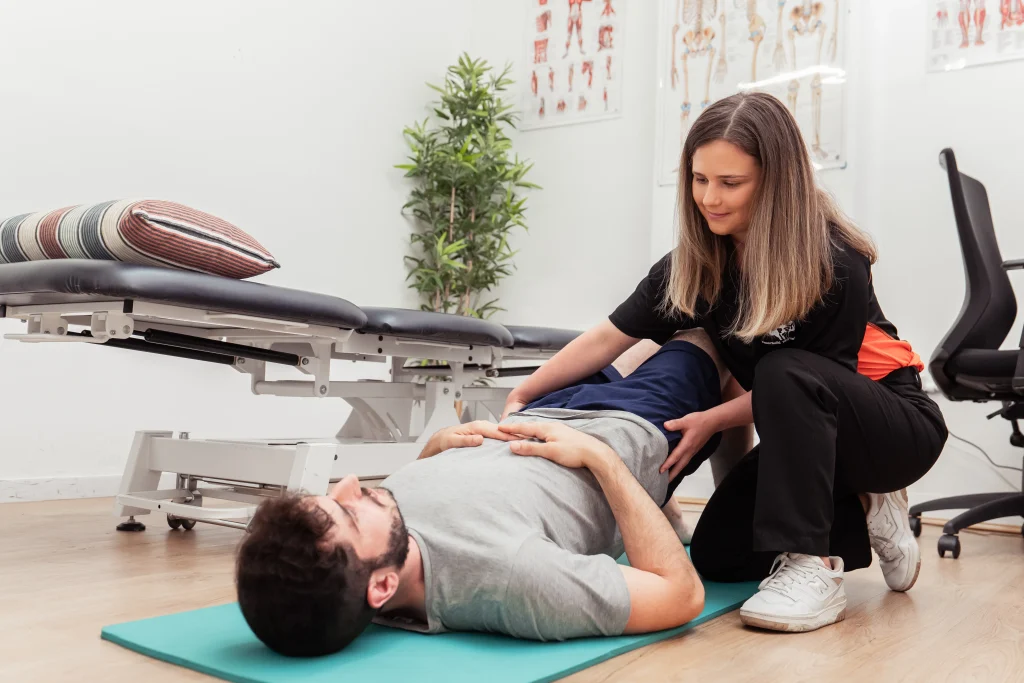
What Is Pelvic Tilt? The pelvis is the bowl-shaped bone that you feel when you are told to “put your hands on your hips”. A helpful way to understand pelvic tilt/movement is by imagining it as a bowl filled with water. Different muscles influence control forwards and backwards tilting of the pelvis. Learning how to […]
What Is Pelvic Floor Physiotherapy — and Who Is It For?

When it comes to physiotherapy, most people think of sore backs, tight shoulders, or sports injuries. But there’s one area that often gets overlooked — even though it plays a huge role in everyday comfort, control, and confidence. That area is the pelvic floor. Pelvic floor physiotherapy focuses on strengthening, relaxing, and retraining the muscles […]
Rotator Cuff Injuries: Why Strength and Control Matter in Rehab

Rotator cuff injuries are one of the most common causes of shoulder pain we see in clinic. The rotator cuff plays a vital role in controlling and stabilising the shoulder during movement—so when it’s injured, even simple tasks like reaching overhead or lifting a light object can become uncomfortable or difficult. Whether the issue is […]
Shoulder Instability- Principles of Rehabilitation
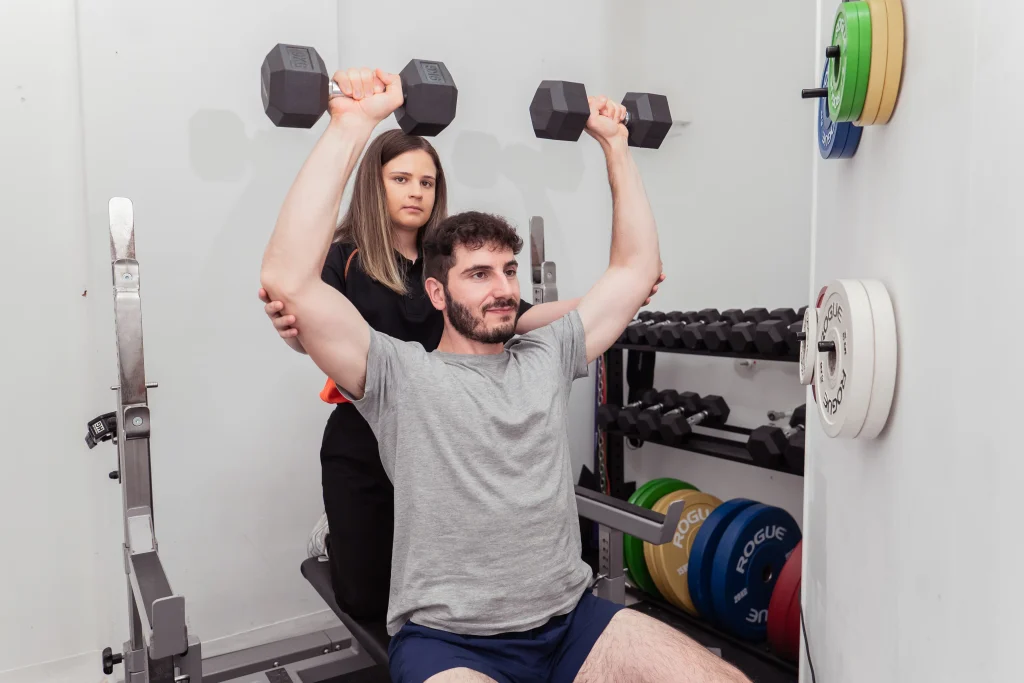
Shoulder instability can be one of the trickier conditions to manage in rehabilitation. The shoulder is naturally built for mobility, not stability, which makes regaining control more challenging than with many other joints. Managing shoulder instability isn’t about one single exercise or quick fix. It usually involves a structured plan that progresses through different stages […]